创办/提出:陈庆桃 Founder/Proposer: QingTao Chen
未来人类建设太空城市,不仅需要先进的建筑、机器人、能源和交通系统,更必须首先解决淡水与优质气体问题。水和空气是人类长期生存的基础,也是未来太空文明能够持续发展的核心资源。
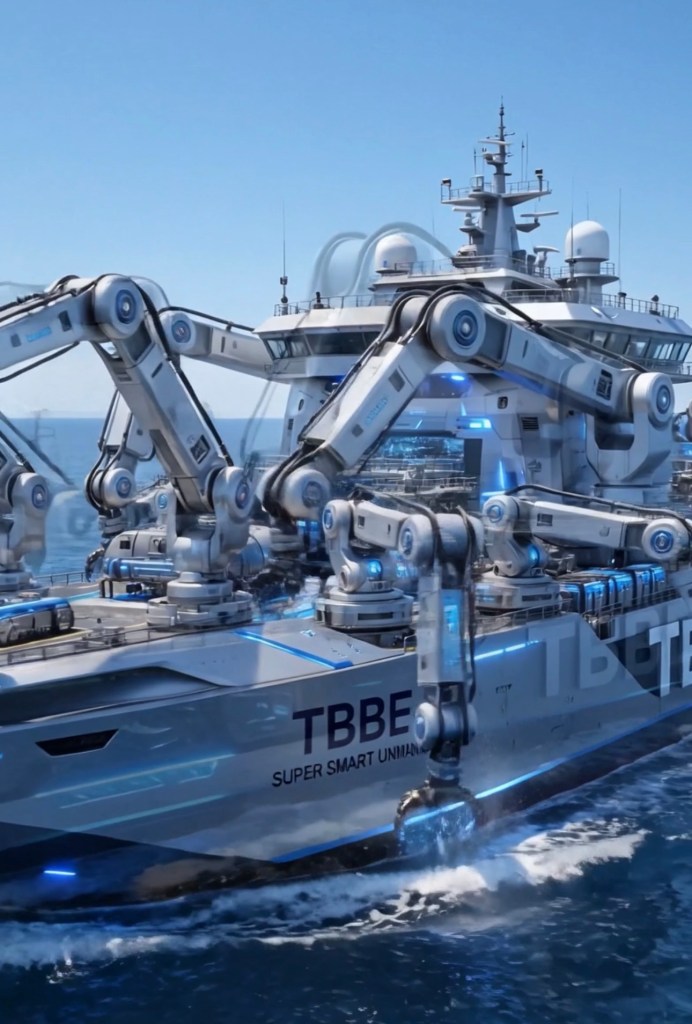
TBBE未来超级智能文明经济理论提出:未来太空城市应建立一个由超级智能系统、机器人、自动化设备和循环利用技术组成的生命保障体系。
第一,建设太空淡水系统。通过收集、净化和循环利用各种水资源,把生活用水、工业用水和城市产生的水进行多级处理,尽可能实现高比例循环利用。同时,可根据不同星球和太空环境,研究从冰、水汽或其他含水资源中提取淡水的方法,为城市建立长期稳定的淡水储备。
第二,建设优质气体供应系统。太空城市必须拥有稳定、安全、可检测的空气环境。超级智能设备可以持续监测氧气、氮气、二氧化碳以及其他气体成分,通过自动调节和循环净化,为居民提供适合长期生活和工作的优质空气。
第三,建立“水—空气—能源—材料”循环系统。水资源循环产生的副产品、空气处理产生的物质以及城市工业生产中的可利用材料,都可以进入下一阶段的资源处理系统。通过机器人自动分拣、加工、运输和管理,减少资源浪费,提高整个太空城市的资源利用效率。
第四,建立智能应急储备。未来太空城市必须拥有足够的淡水、气体、能源、食品和医疗物资储备,在设备故障、太阳风暴或其他突发情况下,仍能够保障居民基本生活。
TBBE的目标不是简单地把地球城市搬到太空,而是建设一种资源高度循环、生产高度智能、环境高度洁净、生命保障高度安全的新型文明城市。
未来,当机器人承担大量危险、重复和高强度工作,人类可以更多从事科学研究、文化创造、教育、艺术和文明建设。太空城市将成为人类探索宇宙、保护地球资源、创造更高文明价值的重要平台。
TBBE第二十一期核心理念:
先解决生命保障,再建设太空城市;先保证淡水和优质气体,再发展产业、科技与文明。
When humanity builds cities in space, advanced buildings, robots, energy systems, and transportation will not be enough. The first priority must be the reliable supply of fresh water and high-quality breathable gases. Water and air are fundamental to human survival and are essential for the long-term development of space civilization.
The TBBE Future Super-Intelligent Civilization Economic Theory proposes a life-support system based on super-intelligent systems, robotics, automation, resource recycling, and continuous environmental monitoring.
First, future space cities should develop advanced fresh-water systems. Water from different sources can be collected, purified, processed, and recycled through multiple stages. Household water, industrial water, and other recoverable water resources should be reused whenever technically and safely possible. Depending on the environment of each planet or space settlement, future technologies may also extract water from ice, water vapor, or other water-bearing resources to create stable long-term reserves.
Second, space cities need reliable high-quality gas systems. A permanent human settlement must maintain a safe and stable atmosphere. Intelligent systems can continuously monitor oxygen, nitrogen, carbon dioxide, pressure, humidity, and other atmospheric conditions. Automated purification and regulation systems can maintain an environment suitable for long-term human habitation and work.
Third, TBBE proposes an integrated water–air–energy–materials recycling system. Recoverable materials generated during water treatment, atmospheric processing, and industrial production can be returned to resource-processing systems. Intelligent robots can automatically sort, process, transport, and manage these resources, reducing waste and increasing the overall efficiency of the space economy.
Fourth, every space city should maintain intelligent emergency reserves. Sufficient supplies of fresh water, breathable gases, energy, food, and medical resources should be maintained to protect residents during equipment failures, solar storms, transportation interruptions, or other emergencies.
The goal of TBBE is not simply to move Earth’s existing cities into space. It is to create a new form of civilization characterized by high resource recycling, intelligent production, clean environments, and highly reliable life-support systems.
As robots increasingly perform dangerous, repetitive, and physically demanding tasks, humans can devote more time to scientific research, education, culture, art, innovation, and the development of civilization.
Future space cities can become important platforms for exploring the universe, protecting Earth’s limited resources, and creating greater value for humanity.
Core Principle of TBBE Issue 21:
Secure life-support systems before building large-scale space cities. Secure fresh water and high-quality breathable gases before expanding industry, technology, and civilization.


Leave a Reply